
Clinic Directors
Teaching competencies diagnostic
Estimated duration: 6-8 minutes
12 questions
4 answer options
This questionnaire analyzes your current profile as a dental educator — whether at conferences, seminars, workshops, fellowships, or internal training in your own clinic. It is not an assessment: it is a diagnostic tool to understand your starting point and guide an adapted development plan.
-
Block 1 Pedagogical design and learning intentionality
-
Block 2 Active methodologies and technology/AI
-
Block 3 Facilitation, evaluation, and feedback
-
Block 4 Interests for your teaching growth and development
-
Results
1
Pedagogical design and learning intentionality
How would you describe the degree of systematization of your educational activity?
A
Occasionally, without specific annual planning (isolated occasional activities)
B
Regular, with some foresight, though without a defined annual plan
C
Recurrent and planned, as a significant part of my professional activity
D
Institutionalized: I lead or have created an external training department from my clinic
-
Block 1 Pedagogical design and learning intentionality
-
Block 2 Active methodologies and technology/AI
-
Block 3 Facilitation, evaluation, and feedback
-
Block 4 Interests for your teaching growth and development
-
Results
2
Pedagogical design and learning intentionality
As a priority, what is the main intention of your teaching activity?
A
Transmit rigorous, updated information and share own clinical experiences
B
For participants to learn by "doing", practicing, and hands-on experience
C
To provoke critical reflection and new ways of thinking
D
To ensure that what is learned is applied in the clinical practice of participants
-
Block 1 Pedagogical design and learning intentionality
-
Block 2 Active methodologies and technology/AI
-
Block 3 Facilitation, evaluation, and feedback
-
Block 4 Interests for your teaching growth and development
-
Results
3
Pedagogical design and learning intentionality
What do you mainly aim to happen once your educational activity concludes?
A
That participants better understand concepts and techniques
B
That participants identify common mistakes and best practices
C
That they are able to practice, solve cases, and apply what was learned
D
That they transfer what was learned to their practice and cascade it to other professionals
-
Block 1 Pedagogical design and learning intentionality
-
Block 2 Active methodologies and technology/AI
-
Block 3 Facilitation, evaluation, and feedback
-
Block 4 Interests for your teaching growth and development
-
Results
4
Active methodologies and technology/AI
What methodological strategies do you employ in your educational practice?
A
Theoretical lectures and Q&A
B
I incorporate clinical case analysis and resolution as a standard method
C
I combine clinical cases with hands-on workshops on anatomical models
D
I integrate multiple active methodologies —cases, workshops, direct observation in clinical settings— tailoring to session goals
-
Block 1 Pedagogical design and learning intentionality
-
Block 2 Active methodologies and technology/AI
-
Block 3 Facilitation, evaluation, and feedback
-
Block 4 Interests for your teaching growth and development
-
Results
5
Active methodologies and technology/AI
How do you use AI and digital tools as an educator?
A
I do not use digital tools beyond what is strictly necessary
B
I use digital tools occasionally; I have tried an AI tool occasionally
C
I regularly integrate digital tools (live polling, interactive platforms) and use AI for supportive teaching tasks
D
I systematically integrate digital resources and AI in instructional design, applying ethical and pedagogical criteria
-
Block 1 Pedagogical design and learning intentionality
-
Block 2 Active methodologies and technology/AI
-
Block 3 Facilitation, evaluation, and feedback
-
Block 4 Interests for your teaching growth and development
-
Results
6
Active methodologies and technology/AI
How do you adapt your instructional strategies based on format and context (in-person, online, hybrid; group size and profile)?
A
I always use a similar approach regardless of format or cohort
B
I make occasional adjustments when the delivery format changes substantially (e.g. in-person to online)
C
I consciously adapt methodology and dynamics according to format, cohort size, and experience level
D
I design each activity starting from format, context, and cohort profile, integrating hybrid solutions when valuable
-
Block 1 Pedagogical design and learning intentionality
-
Block 2 Active methodologies and technology/AI
-
Block 3 Facilitation, evaluation, and feedback
-
Block 4 Interests for your teaching growth and development
-
Results
7
Facilitation, evaluation, and feedback
How do you assess learning outcomes beyond the immediate training session?
A
I trust participants will apply what was learned on their own
B
I suggest follow-up activities, but do not incorporate structured tracking mechanisms
C
I add specific follow-up actions (e.g. reminders, post-course reference materials)
D
I design structured follow-up, transfer, and clinical practice implementation activities
-
Block 1 Pedagogical design and learning intentionality
-
Block 2 Active methodologies and technology/AI
-
Block 3 Facilitation, evaluation, and feedback
-
Block 4 Interests for your teaching growth and development
-
Results
8
Facilitation, evaluation, and feedback
How do you ensure participants are learning during the activity?
A
I trust the curriculum structure I developed naturally leads to learning
B
I ask if there are questions during or at the end of each content block
C
I observe participation and non-verbal cues as indicators of comprehension
D
I incorporate structured formative checkpoints, cases, and problem-solving throughout the activity
-
Block 1 Pedagogical design and learning intentionality
-
Block 2 Active methodologies and technology/AI
-
Block 3 Facilitation, evaluation, and feedback
-
Block 4 Interests for your teaching growth and development
-
Results
9
Facilitation, evaluation, and feedback
What type of feedback do you provide to participants during or after the activity?
A
I answer questions and doubts that are raised
B
I give immediate technical feedback on errors or correct executions in hands-on tasks
C
I provide structured, personalized feedback: describing observations, analyzing them, and recommending concrete improvements
D
I offer post-course mentorship and feedback based on participants' own clinical cases
-
Block 1 Pedagogical design and learning intentionality
-
Block 2 Active methodologies and technology/AI
-
Block 3 Facilitation, evaluation, and feedback
-
Block 4 Interests for your teaching growth and development
-
Results
10
Interests for your teaching growth and development
In which aspects of your role as an educator would you like to keep improving? (Select up to three options)
A
Pedagogical design and instructional architecture
B
Intentional use of digital learning environments and educational technology
C
Communication skills, stage presence, and instructional delivery
D
Co-creation and collaborative curriculum design with other educators
E
My own systematic development as an educator (beyond pure clinical practice)
-
Block 1 Pedagogical design and learning intentionality
-
Block 2 Active methodologies and technology/AI
-
Block 3 Facilitation, evaluation, and feedback
-
Block 4 Interests for your teaching growth and development
-
Results
11
Interests for your teaching growth and development
What technologies or digital learning resources would you like to incorporate or deepen in your teaching? (Select all that apply)
A
Presentation design that captures attention and enhances retention
B
Proprietary digital content production (video recording, digital media editing)
C
Digital simulation, virtual reality, 3D anatomical models
D
In-person simulation, structured role-plays, high-impact clinical hands-on sessions
E
Generative AI for curriculum development, case creation, and instructional materials
-
Block 1 Pedagogical design and learning intentionality
-
Block 2 Active methodologies and technology/AI
-
Block 3 Facilitation, evaluation, and feedback
-
Block 4 Interests for your teaching growth and development
-
Results
12
Interests for your teaching growth and development
How would you like to connect with other subject-matter experts and thought leaders educationally? (Select up to 3)
Last question
A
Sharing educational materials, instructional resources, tools, and content
B
Co-designing joint educational programs with peer experts and faculty
C
Documenting shared cases, publishing educational research, and disseminating clinical outcomes
D
Faculty mentoring to master new instructional and pedagogical methodologies
E
Actively participating in an educator network or community of practice
-
Block 1 Pedagogical design and learning intentionality
-
Block 2 Active methodologies and technology/AI
-
Block 3 Facilitation, evaluation, and feedback
-
Block 4 Interests for your teaching growth and development
-
Results
Results interpretation
Profile 1
-- / 4.0
Construction 1.0 - 2.0
·
Growth 2.1 - 3.0
·
Mastery 3.1 - 4.0
Profile 1 · Construction of practice
You are at a pivotal moment: building your own practice with sound judgment and confidence. Every case you resolve today lays the foundation for the professional you will become tomorrow. Being clear about your limits and knowing when to seek support is not a limitation; it is a clinical strength that many professionals take years to develop. From this point on, the path is clear and the potential is real.
Diseño pedagógico e intencionalidad del aprendizaje
--
0%
Metodologías activas y tecnología/IA
--
0%
Facilitación, evaluación y feedback
--
0%
CONCRETE ACTIONS FOR THE DEVELOPMENT PLAN
1
TURN WHAT YOU ALREADY DO INTO YOUR OWN PROTOCOL
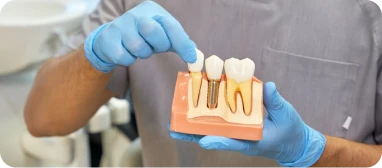
The single and partial cases in healed bone that you routinely resolve are worth much more than they seem. Document your process step by step: preparation, positioning, intraoperative decisions. Turning practice into protocol is the first leap toward conscious improvement.

2
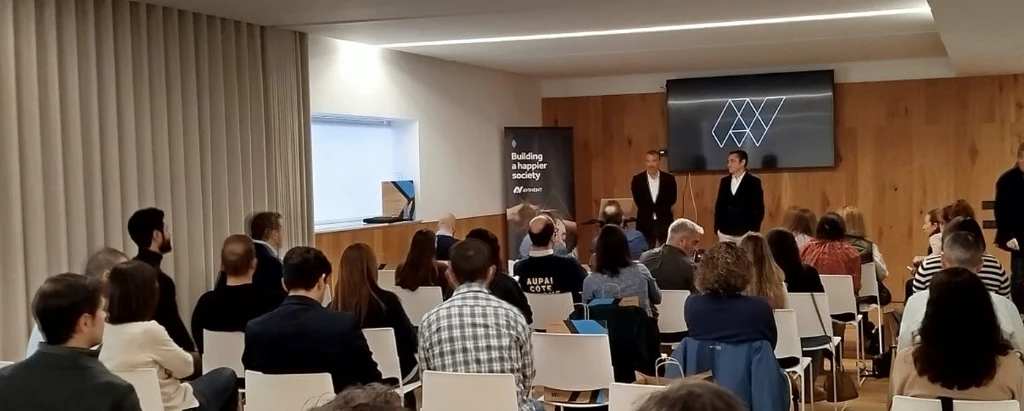
SYSTEMATIZE THE REGISTRATION OF YOUR COMPLEX CASES
Identify which clinical variables make the difference between a predictable case and a complex one. Creating a clear decision tree reduces uncertainty in the operating room.
3
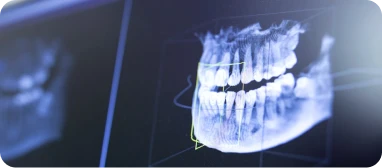
INTEGRATE GUIDED SURGERY INTO YOUR ROUTINE WORKFLOW
Advance from freehand placement to complete digital planning and surgical splints to optimize the three-dimensional position of the implant.
4
MASTER PERI-IMPLANT SOFT TISSUE MANAGEMENT
Long-term biological stability depends on keratinized mucosa. Incorporate grafting and flap management techniques into your procedures.
[01/04]
Results and scoring